
Reserved for future development
Support that follows permission.
Explore time-limited, purpose-specific caregiver permissions and understandable consent controls.
Reserved future serviceHow this serves the mission
Support the person, with their permission.
Caregiver connections would explore chosen support tasks and appropriate communication while respecting the person receiving assistance. Someone might authorize social contact without authorizing camera analysis, and authorize one task without sharing an entire account. Clinical qualifications, legal authority, and emergency duties would require their own verified basis.
The problem
Why this matters.
Care coordination can be difficult, and a support role does not by itself establish authority to view another person’s information.
Who is affected
People at the center.
People receiving support, trusted caregivers, families, and authorized professionals.
The proposed response
Explore time-limited, purpose-specific caregiver permissions and understandable consent controls.
Well-defined access could support coordination while preserving the supported person’s control and privacy.
The proposed direction
Explore time-limited, purpose-specific caregiver permissions and understandable consent controls. Well-defined access could support coordination while preserving the supported person’s control and privacy.
Boundaries that matter
Caregiver permission must remain distinct from clinical credentials, legal decision-making authority, ordinary membership, and emergency-response duties.
Current availability
No caregiver portal, care plan, alerting, medical access, or authorization system is active.
Access is specific
Different roles. Different permissions.
This table describes future boundaries. No authorization system is active.
Ordinary member
Proposed scope: Only the explicitly offered membership features.
Boundary: No automatic caregiver, professional, or healthcare access.
Family connection
Proposed scope: Sharing chosen by the person, subject to appropriate safeguards.
Boundary: A relationship alone does not establish authority.
Caregiver permission
Proposed scope: Specific, consented support tasks and time-limited access where appropriate.
Boundary: Not clinical credentials or automatic legal decision-making authority.
Professional authorization
Proposed scope: Verified qualifications, role, scope, and specific permissions.
Boundary: Not conferred by a subscription or vendor account.
Healthcare access
Proposed scope: A separate qualified-provider context with applicable privacy and authorization requirements.
Boundary: No medical information is collected through this public prototype.
Higher-security technology
Proposed scope: Separate authorization, least-privilege controls, and suitable verification.
Boundary: Not granted by ordinary membership.
Available today
What this page offers.
No caregiver portal, care plan, alerting, medical access, or authorization system is active.
Development status
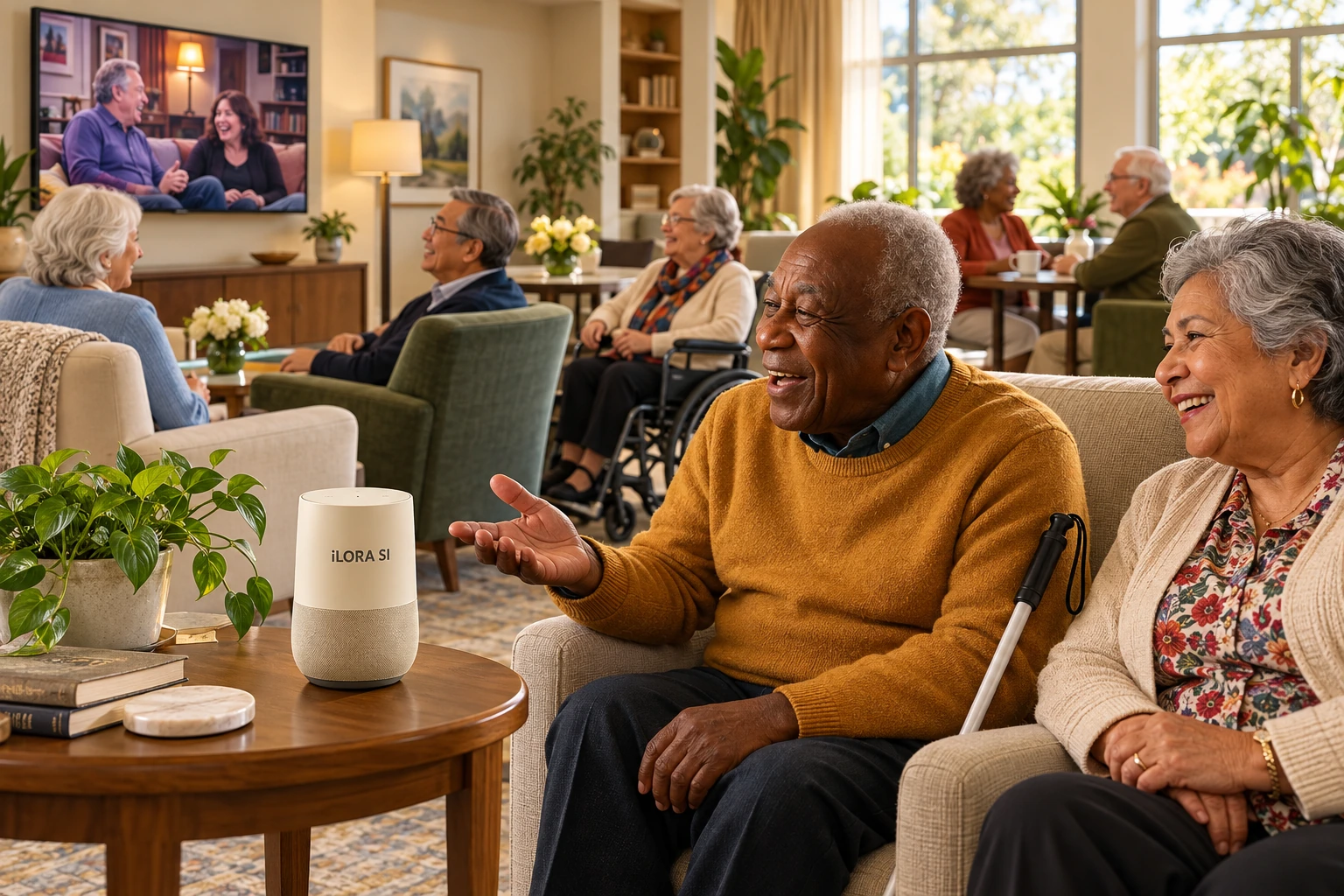
Reserved future serviceThe described capability or program remains at the stage shown here. Images are illustrative, and no availability or performance is established by a rendering.
Explore Health Access →