
A world of lived experience
A future people
can see themselves in.
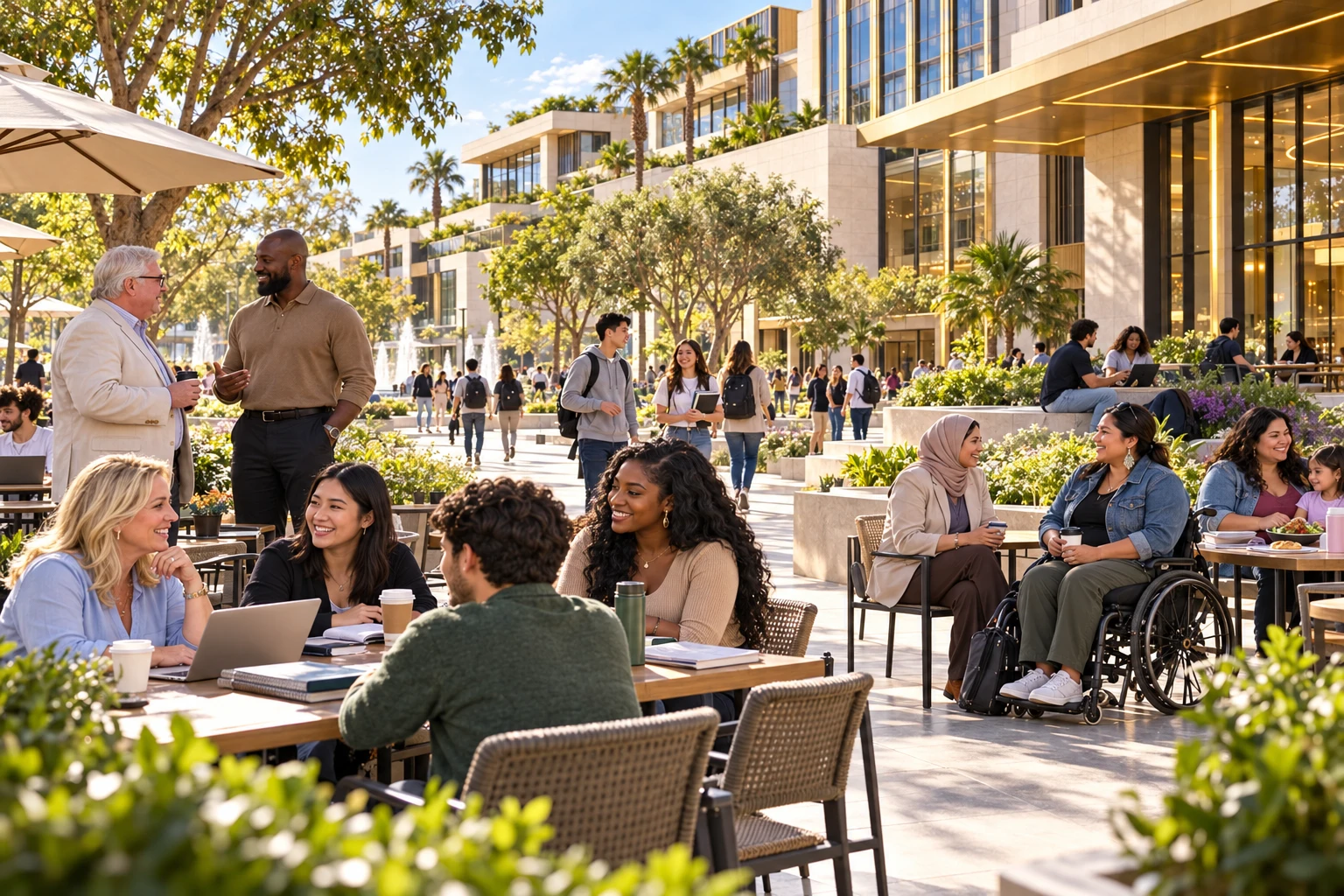
The iLORA vision includes people across regions, cultures, generations, faiths, abilities, family structures, and professional backgrounds.
Design commitmentHow this serves the mission
Make participation possible for more people.
The ecosystem is intended to include people across ages, cultures, faiths, abilities, body types, and life circumstances. Inclusion means more than representation in images: it should shape communication formats, controls, learning options, physical routes, and permission choices. Future research and program design should involve people who encounter those barriers themselves.
The problem
Why this matters.
Services can exclude people when design assumptions overlook differences in access, language, ability, culture, age, or circumstance.
Who is affected
People at the center.
People throughout the ecosystem, particularly those whose needs are often missed by standard interfaces or environments.
The proposed response
Participatory design, inclusive visual communication, and future testing with people who have varied needs.
Broader participation can reveal barriers earlier and help create more understandable, useful experiences.
Design with people
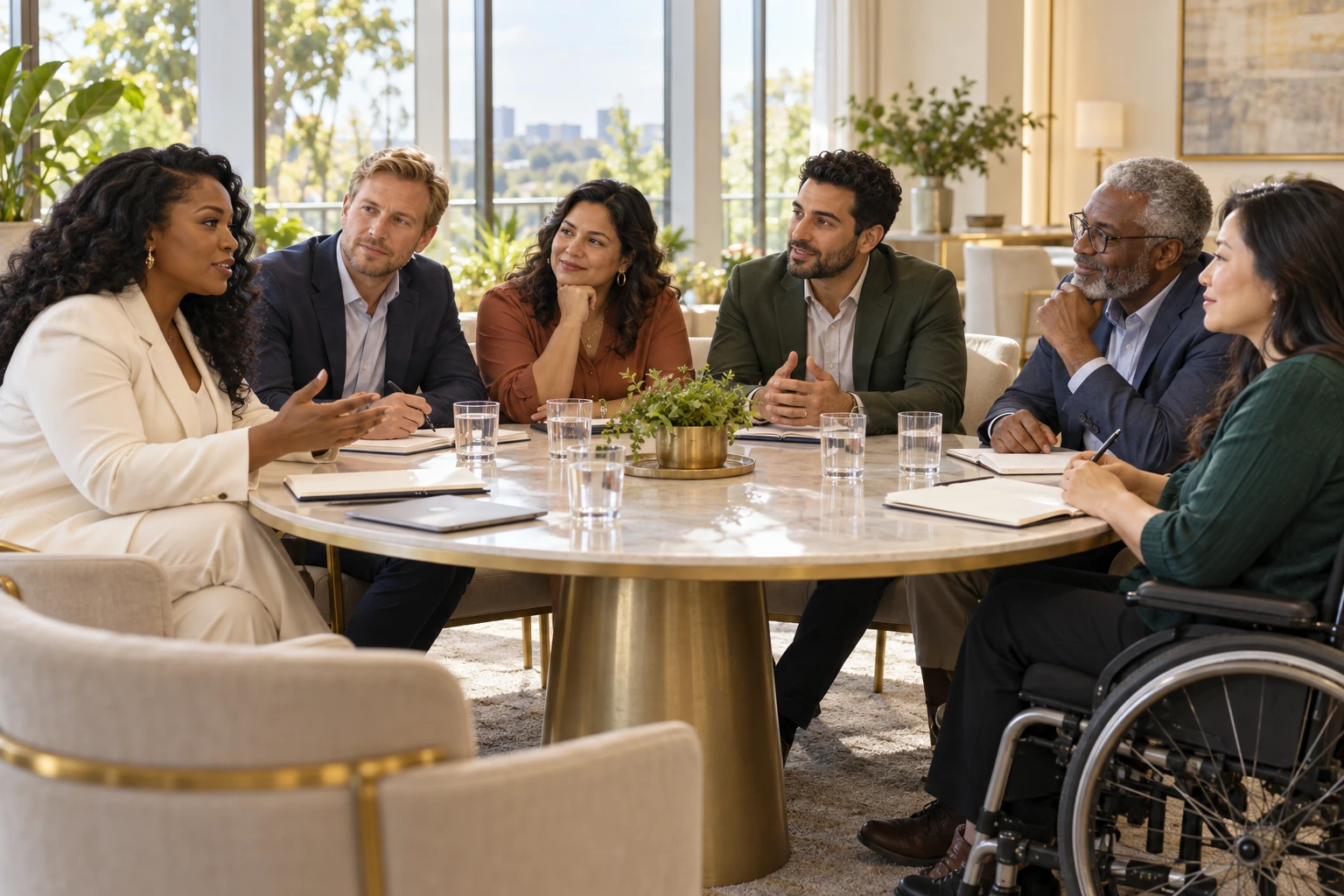
Useful technology begins with varied lived experiences. Future participation should include older adults, people with disabilities, caregivers, learners, researchers, entrepreneurs, and community volunteers.
Representation with dignity
The visual direction welcomes Black, Asian, Latino or Hispanic, Middle Eastern or North African, European, Indigenous, mixed-heritage, and multicultural communities. People are shown in ordinary professional and family life, without assigning identities to real individuals from appearance.
Listen before defining access
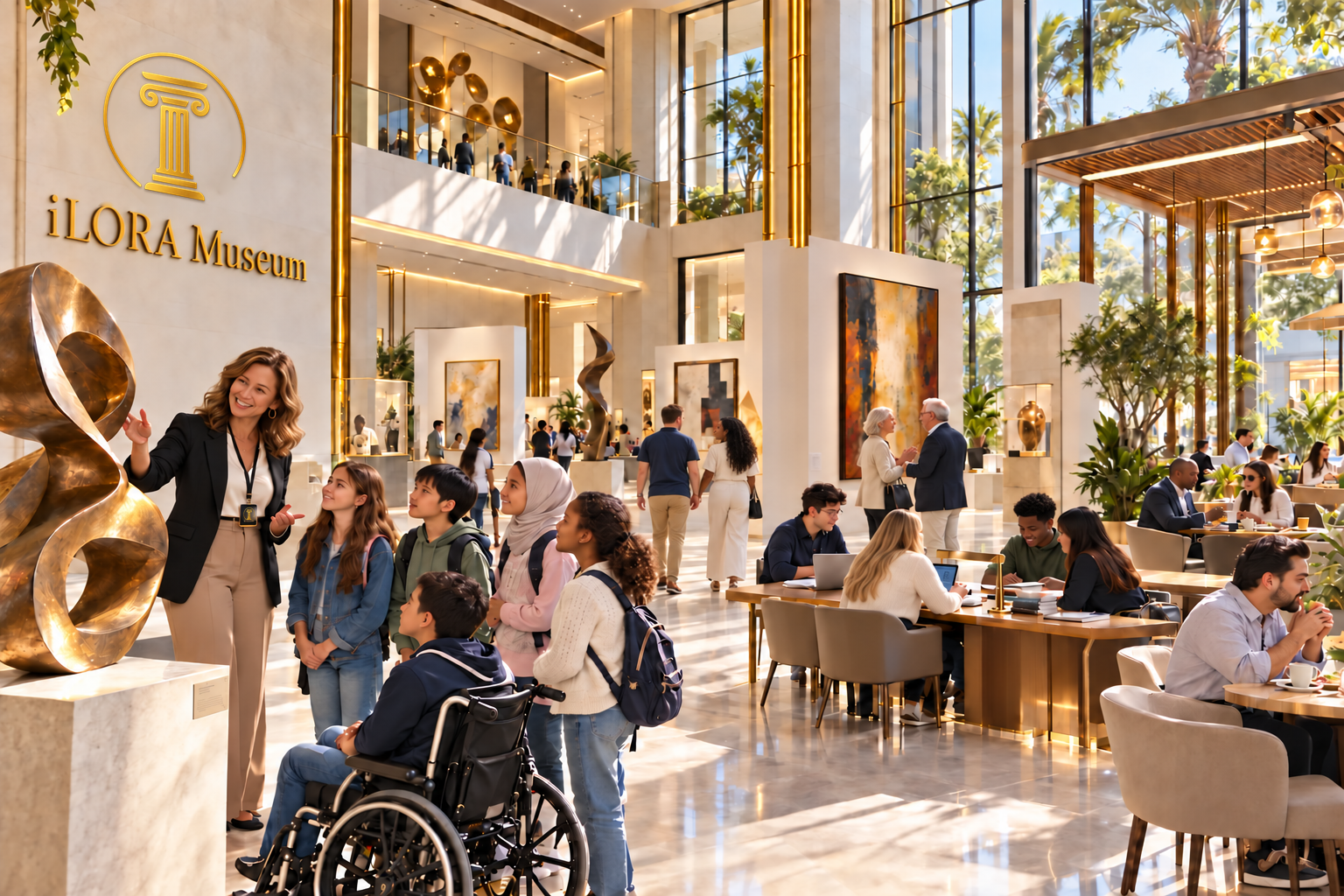
Respectful cultural and faith expression, accessible communication, and genuine choice should inform future consultation. The images are generated concepts, not photographs of actual iLORA employees, students, members, or beneficiaries.
 A proposed experience
Curiosity across generations.
Young learners, adults, families, educators, and visitors with different access needs share a conceptual cultural environment.
Explore iLORA Museum →Available today
What this page offers.
The information page and inquiry-drafting tools are available in this website prototype. The described service is not operational through this site.
Development status
Design commitmentThe described capability or program remains at the stage shown here. Images are illustrative, and no availability or performance is established by a rendering.
Explore accessibility →