
Elder care & shared living
A lounge, a shared television experience, and optional descriptions chosen by the individual.
Explore the shared living concept →Independence by design
Research concepts for accessible wearables and supportive interfaces, with elder independence and caregiver communication as central design priorities.
Research concepts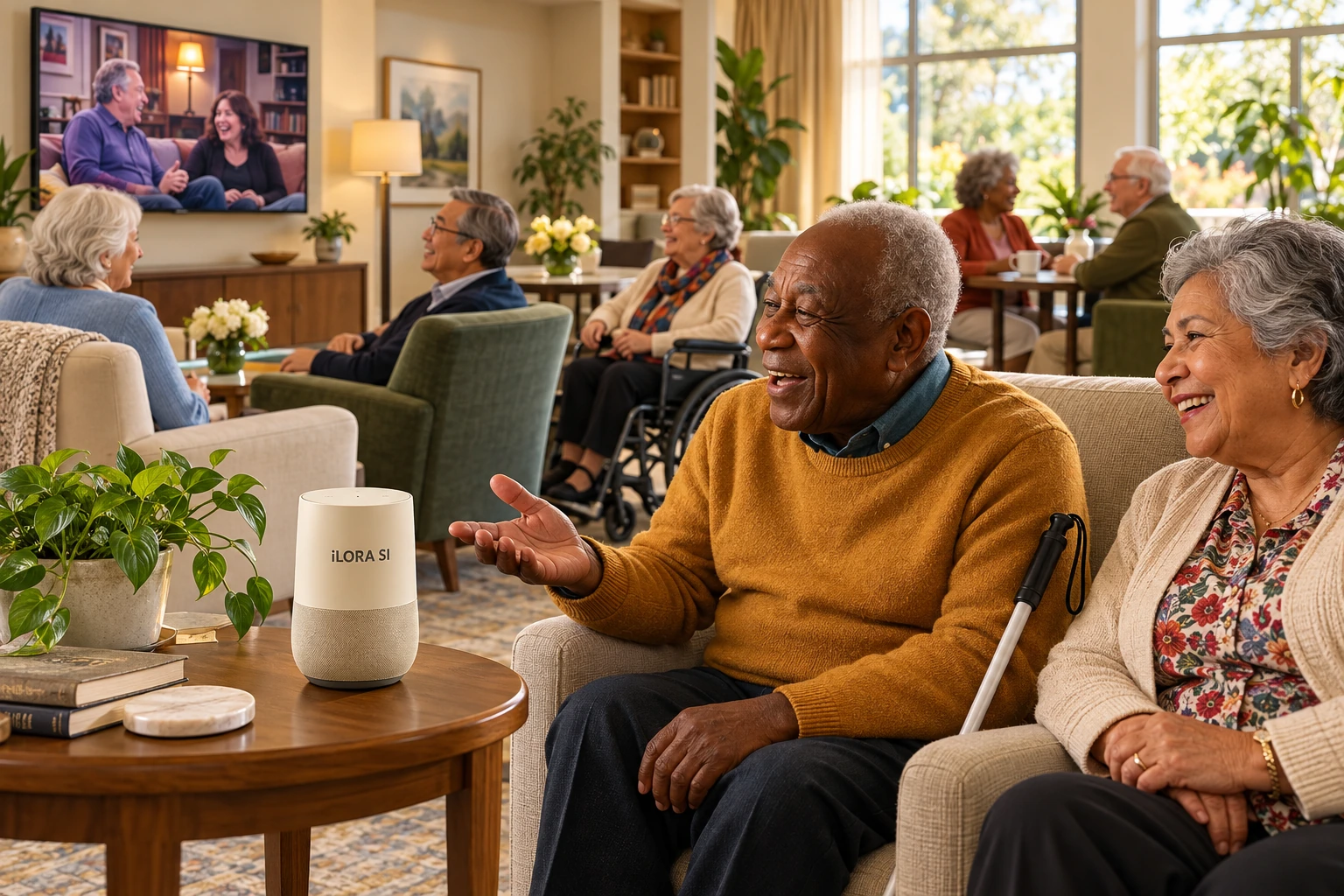
How this serves the mission
The elder-care and accessibility mission is to help people remain involved in their own decisions, routines, and relationships. Proposed wearables and assistive interfaces would connect optional support with clear user control. Comfort, dignity, accessible interaction, and understandable permissions matter alongside sensing and engineering; a device must not create a false sense of protection.
The problem
Interfaces and devices can be difficult to read, wear, operate, or trust in everyday life.
Who is affected
Older adults, people with disabilities, families, and trusted caregivers.
The proposed response
Suitable designs could support independence and communication after reliability and safety are established.
Areas for exploration include readable interfaces, reminders, accessible controls, and optional communication with trusted supporters. Comfort, battery life, durability, and ease of use must be evaluated with the people who would rely on the device.
Future evaluations could examine locating an object, understanding an appliance display, hearing written information, remembering a chosen routine, or initiating contact with a trusted person. These examples describe intended tasks; they do not establish reliable perception, safe appliance control, or medical monitoring.
The proposed approach gives users understandable choices about what information is shared, with whom, and for how long. Caregiver access, account recovery, and consent for people with changing support needs require careful design and review.
Fall detection, health sensing, alerts, or emergency escalation are research topics, not available services. No clinical accuracy, medical-device approval, or emergency coverage is claimed. Future claims must follow the relevant evidence and review.
People & possibility
Everyday support should preserve choice and distinguish caregiver permission from professional or clinical authorization.
Explore Caregivers →Explore the concepts
Follow each subject to its own explanation. All devices and settings shown are concepts.
A lounge, a shared television experience, and optional descriptions chosen by the individual.
Explore the shared living concept →See the external design studies and the separate questions behind each familiar form.
Explore the wearable concepts →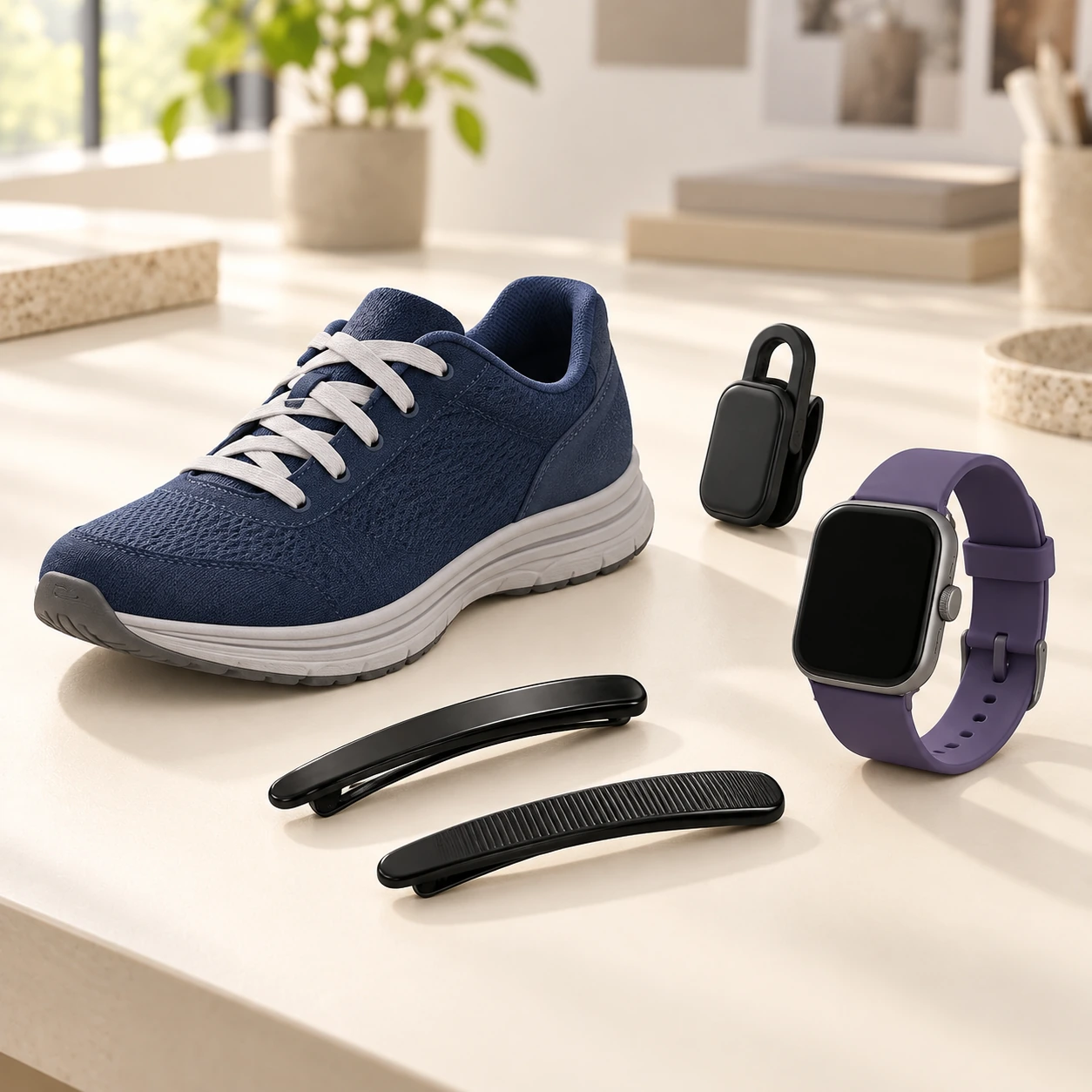
Available today
No wearable, clinical service, fall detection, health monitoring, or emergency response is available through this prototype.
Development status
Research conceptsThe described capability or program remains at the stage shown here. Images are illustrative, and no availability or performance is established by a rendering.
Explore caregiver permissions →